Kubernetes Policy Enforcement: Understanding Pod Security Admission (PSA)
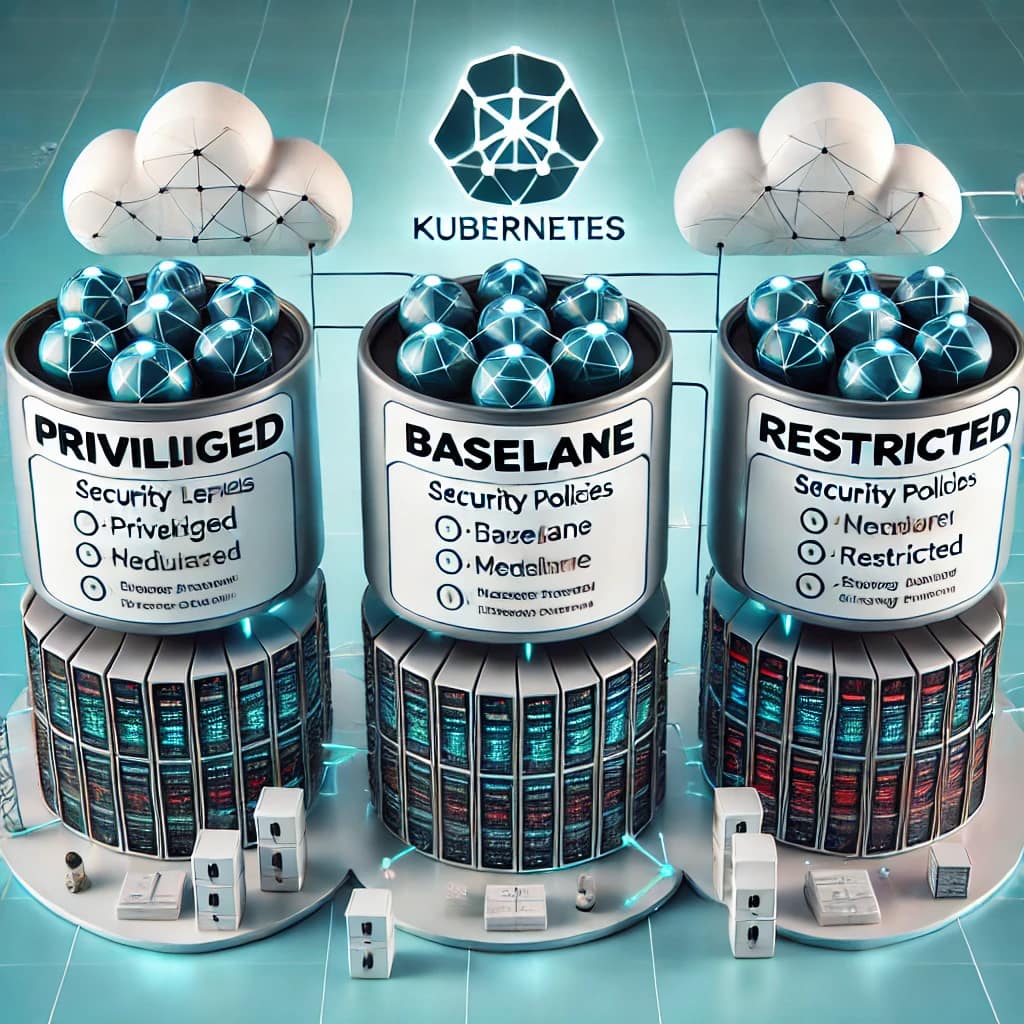
Kubernetes has introduced the Pod Security Admission (PSA) mechanism to replace the deprecated Pod Security Policies (PSP). This article dives into the key capabilities Kubernetes offers for policy enforcement out of the box, particularly focusing on the PSA framework. We will explore the core Pod Security Standards, how PSA improves security practices, and how to configure policies using Kubernetes labels to apply them to different namespaces.


ConfigMap with Optional Values in Kubernetes

In this article, we will explore how to define an item in a Kubernetes ConfigMap as optional. This is essential to prevent deployment issues, such as `CreateContainerConfigError`, when the ConfigMap is not available. We’ll also discuss scenarios where optional ConfigMap values are useful, such as setting environment variables like proxy settings only when needed. A sample application will demonstrate how to implement this in your YAML configurations.

Boosting Kubernetes Security: Exploring KubeSec – A Must-Have Tool for Safeguarding Your Cluster

Discover KubeSec: Elevate your Kubernetes security with this essential tool. Developed by ControlPlane, KubeSec empowers experts and novices alike to assess security risks in Kubernetes resources. Learn about its versatile operational modes and JSON-based output for seamless integration. Strengthen your Kubernetes security standards with KubeSec’s user-friendly approach

Enhancing Container Security: The Vital Role of ReadOnlyRootFilesystem

Enhance container security with ReadOnlyRootFilesystem, a potent tool safeguarding your applications. Understand how ReadOnlyRootFilesystem limits write access to containers, bolstering their integrity amidst software development’s dynamic landscape. Explore advantages like reduced attack surfaces, immutable infrastructure, malware defense, and enhanced forensics. Learn implementation tips for image design, runtime configuration, and testing. Discover how to define a Pod as ReadOnlyRootFilesystem in Kubernetes. Strengthen your container strategy, embrace immutable infrastructure, and fortify against evolving cyber threats.

Exploring Ephemeral Containers in Kubernetes: Unveiling a Powerful Debugging Tool

Dive into the world of Ephemeral Containers, an innovative feature introduced in Kubernetes 1.16 and stabilized in 1.25. Discover how these dynamic containers offer unparalleled troubleshooting and debugging capabilities within your pods. Learn their main use-cases, from seamless log analysis to data recovery, and explore straightforward implementation using the kubectl debug command. Unveil the power of Ephemeral Containers and how they simplify debugging.

Safeguarding Your Servers: Preventing Information Disclosure with Istio Service Mesh

In today’s digital landscape, ensuring server security is paramount. Learn about “Server Information Disclosure” and how Istio Service Mesh can mitigate this vulnerability. Explore examples of server headers and see how to remove them for improved security. Discover the power of Istio in enhancing server protection and fortifying your defense against cyber threats.

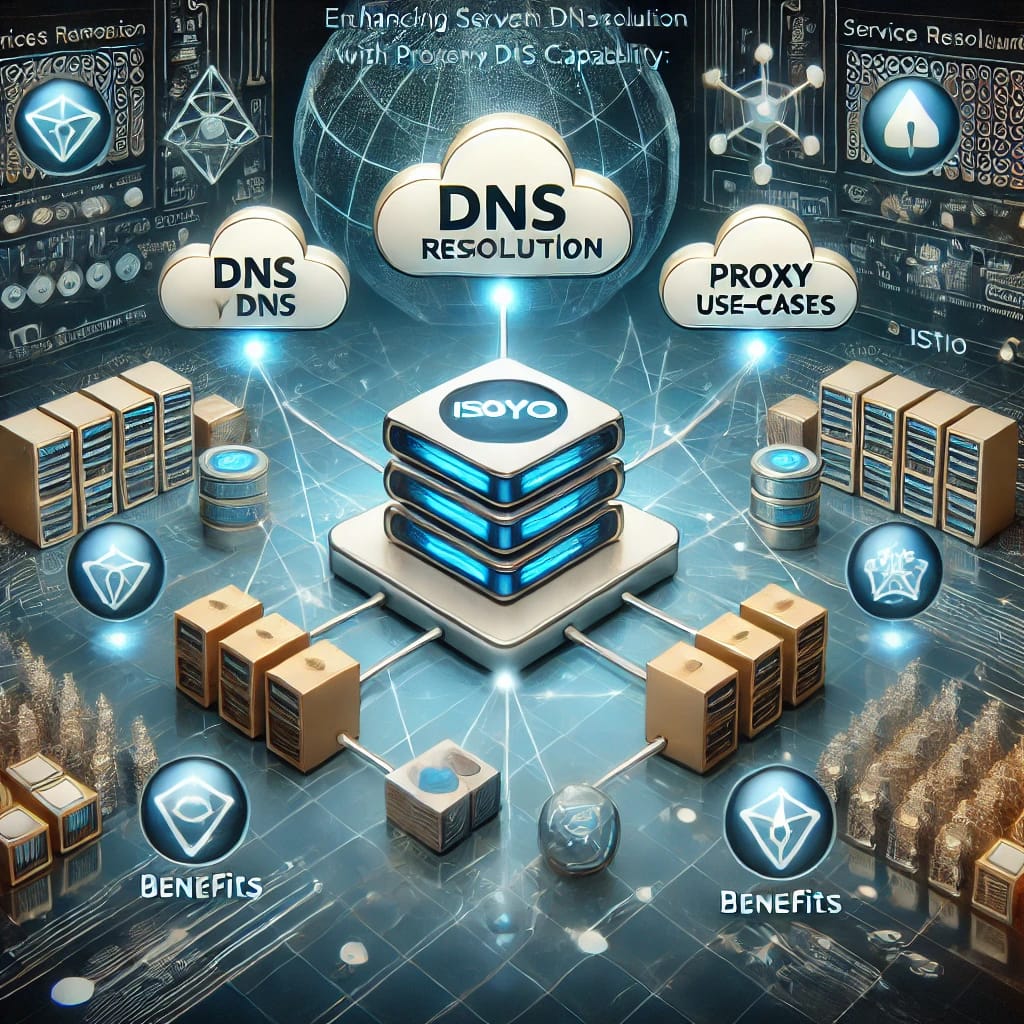
Enhancing Service Mesh DNS Resolution with Istio’s Proxy DNS Capability: Benefits and Use-Cases

Discover how Istio’s Proxy DNS capability enhances service mesh DNS resolution, offering advanced service discovery, load balancing, security, and traffic management. Learn about the benefits and use-cases of leveraging Istio’s Proxy DNS to simplify and optimize communication between microservices in complex architectures

Unlocking Flexibility and Reusability: Harnessing the Power of Helm Multiple Instances Subcharts

Discover how Helm Multiple Instances Subchart can revolutionize your Helm deployments. Learn how to leverage the power of reusability and customization, allowing you to deploy identical components with unique configurations. Enhance flexibility and simplify management with this advanced Helm feature. Unlock the full potential of your microservices architecture and take control of complex application deployments. Dive into the world of multiple subcharts and elevate your Helm charts to the next level.