Integrate Kyverno CLI into CI/CD Pipelines with GitHub Actions for Kubernetes Policy Checks

Integrate Kyverno CLI into CI/CD Pipelines with GitHub Actions for Kubernetes Policy Checks

Introduction

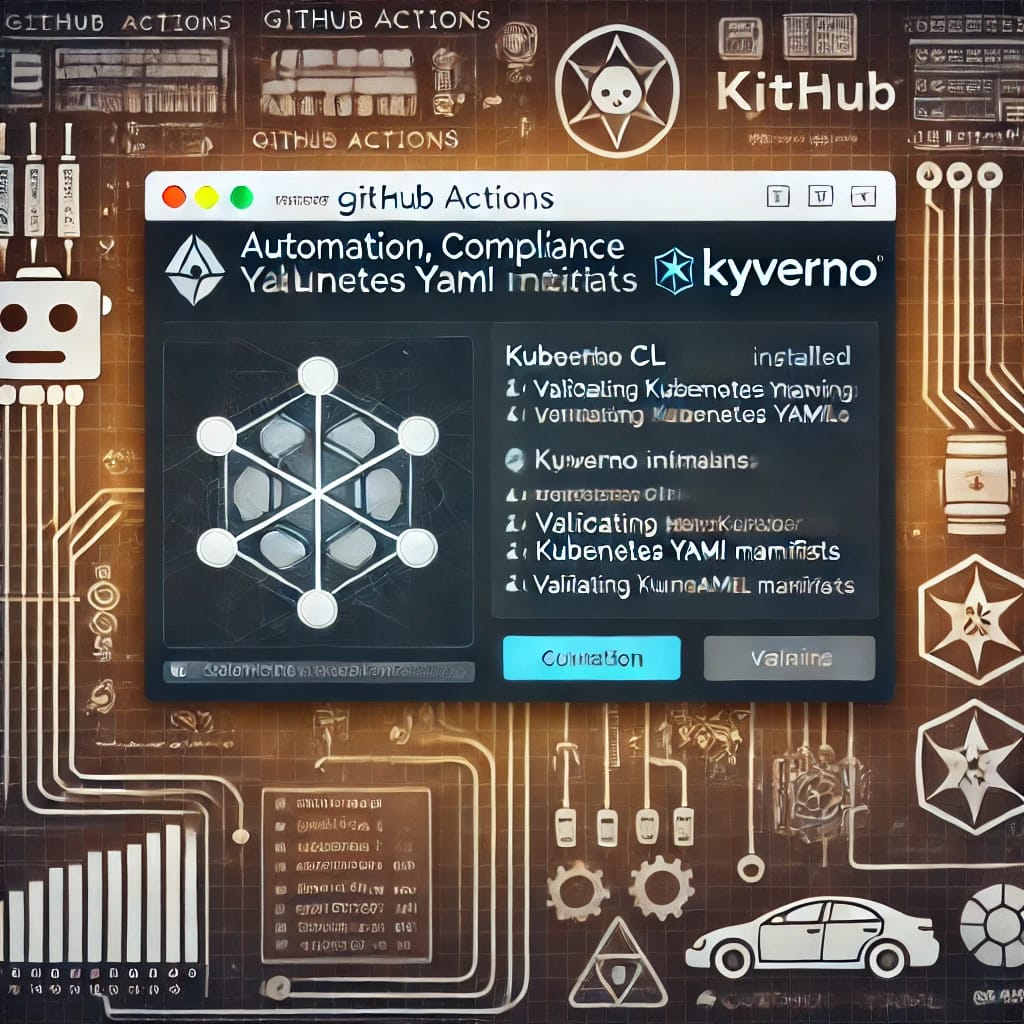
As Kubernetes clusters become an integral part of infrastructure, maintaining compliance with security and configuration policies is crucial. Kyverno, a policy engine designed for Kubernetes, can be integrated into your CI/CD pipelines to enforce configuration standards and automate policy checks. In this article, we’ll walk through integrating Kyverno CLI with GitHub Actions, providing a seamless workflow for validating Kubernetes manifests before they reach your cluster.

What is Kyverno CLI?

Kyverno is a Kubernetes-native policy management tool, enabling users to enforce best practices, security protocols, and compliance across clusters. Kyverno CLI is a command-line interface that lets you apply, test, and validate policies against YAML manifests locally or in CI/CD pipelines. By integrating Kyverno CLI with GitHub Actions, you can automate these policy checks, ensuring code quality and compliance before deploying resources to Kubernetes.

Benefits of Using Kyverno CLI in CI/CD Pipelines

Integrating Kyverno into your CI/CD workflow provides several advantages:

  1. Automated Policy Validation: Detect policy violations early in the CI/CD pipeline, preventing misconfigured resources from deployment.
  2. Enhanced Security Compliance: Kyverno enables checks for security best practices and compliance frameworks.
  3. Faster Development: Early feedback on policy violations streamlines the process, allowing developers to fix issues promptly.

Setting Up Kyverno CLI in GitHub Actions

Step 1: Install Kyverno CLI

To use Kyverno in your pipeline, you need to install the Kyverno CLI in your GitHub Actions workflow. You can specify the Kyverno version required for your project or use the latest version.

Here’s a sample GitHub Actions YAML configuration to install Kyverno CLI:

name: CI Pipeline with Kyverno Policy Checks

on:
  push:
    branches:
      - main
  pull_request:
    branches:
      - main

jobs:
  kyverno-policy-check:
    runs-on: ubuntu-latest

    steps:
      - name: Checkout Code
        uses: actions/checkout@v2

      - name: Install Kyverno CLI
        run: |
          curl -LO https://github.com/kyverno/kyverno/releases/download/v<version>/kyverno-cli-linux.tar.gz
          tar -xzf kyverno-cli-linux.tar.gz
          sudo mv kyverno /usr/local/bin/

Replace <version> with the version of Kyverno CLI you wish to use. Alternatively, you can replace it with latest to always fetch the latest release.

Step 2: Define Policies for Validation

Create a directory in your repository to store Kyverno policies. These policies define the standards that your Kubernetes resources should comply with. For example, create a directory structure as follows:

.
└── .github
    └── policies
        ├── disallow-latest-tag.yaml
        └── require-requests-limits.yaml

Each policy is defined in YAML format and can be customized to meet specific requirements. Below are examples of policies that might be used:

  • Disallow latest Tag in Images: Prevents the use of the latest tag to ensure version consistency.
  • Enforce CPU/Memory Limits: Ensures resource limits are set for containers, which can prevent resource abuse.

Step 3: Add a GitHub Actions Step to Validate Manifests

In this step, you’ll use Kyverno CLI to validate Kubernetes manifests against the policies defined in the .github/policies directory. If a manifest fails validation, the pipeline will halt, preventing non-compliant resources from being deployed.

Here’s the YAML configuration to validate manifests:

- name: Validate Kubernetes Manifests
  run: |
    kyverno apply .github/policies -r manifests/

Replace manifests/ with the path to your Kubernetes manifests in the repository. This command applies all policies in .github/policies against each YAML file in the manifests directory, stopping the pipeline if any non-compliant configurations are detected.

Step 4: Handle Validation Results

To make the output of Kyverno CLI more readable, you can use additional GitHub Actions steps to format and handle the results. For instance, you might set up a conditional step to notify the team if any manifest is non-compliant:

- name: Check for Policy Violations
  if: failure()
  run: echo "Policy violation detected. Please review the failed validation."

Alternatively, you could configure notifications to alert your team through Slack, email, or other integrations whenever a policy violation is identified.

Example: Validating a Kubernetes Manifest

Suppose you have a manifest defining a Kubernetes deployment as follows:

apiVersion: apps/v1
kind: Deployment
metadata:
  name: nginx-deployment
spec:
  replicas: 1
  selector:
    matchLabels:
      app: nginx
  template:
    metadata:
      labels:
        app: nginx
    spec:
      containers:
        - name: nginx
          image: nginx:latest  # Should trigger a violation

The policy disallow-latest-tag.yaml checks if any container image uses the latest tag and rejects it. When this manifest is processed, Kyverno CLI flags the image and halts the CI/CD pipeline with an error, preventing the deployment of this manifest until corrected.

Conclusion

Integrating Kyverno CLI into a GitHub Actions CI/CD pipeline offers a robust, automated solution for enforcing Kubernetes policies. With this setup, you can ensure Kubernetes resources are compliant with best practices and security standards before they reach production, enhancing the stability and security of your deployments.

📚 Want to dive deeper into Kubernetes? This article is part of our comprehensive Kubernetes Architecture Patterns guide, where you’ll find all fundamental and advanced concepts explained step by step.
Extending Kyverno Policies: Creating Custom Rules for Kubernetes Security

Extending Kyverno Policies: Creating Custom Rules for Kubernetes Security

Kyverno offers a robust, declarative approach to enforcing security and compliance standards within Kubernetes clusters by allowing users to define and enforce custom policies. For an in-depth look at Kyverno’s functionality, including core concepts and benefits, see my detailed article here. In this guide, we’ll focus on extending Kyverno policies, providing a structured walkthrough of its data model, and illustrating use cases to make the most of Kyverno in a Kubernetes environment.

Understanding the Kyverno Policy Data Model

Kyverno policies consist of several components that define how the policy should behave, which resources it should affect, and the specific rules that apply. Let’s dive into the main parts of the Kyverno policy model:

  1. Policy Definition: This is the root configuration where you define the policy’s metadata, including name, type, and scope. Policies can be created at the namespace level for specific areas or as cluster-wide rules to enforce uniform standards across the entire Kubernetes cluster.
  2. Rules: Policies are made up of rules that dictate what conditions Kyverno should enforce. Each rule can include logic for validation, mutation, or generation based on your needs.
  3. Match and Exclude Blocks: These sections allow fine-grained control over which resources the policy applies to. You can specify resources by their kinds (e.g., Pods, Deployments), namespaces, labels, and even specific names. This flexibility is crucial for creating targeted policies that impact only the resources you want to manage.
    1. Match block: Defines the conditions under which the rule applies to specific resources.
    2. Exclude block: Used to explicitly omit resources that match certain conditions, ensuring that unaffected resources are not inadvertently included.
  4. Validation, Mutation, and Generation Actions: Each rule can take different types of actions:
    1. Validation: Ensures resources meet specific criteria and blocks deployment if they don’t.
    2. Mutation: Adjusts resource configurations to align with predefined standards, which is useful for auto-remediation.
    3. Generation: Creates or manages additional resources based on existing resource configurations.

Example: Restricting Container Image Sources to Docker Hub

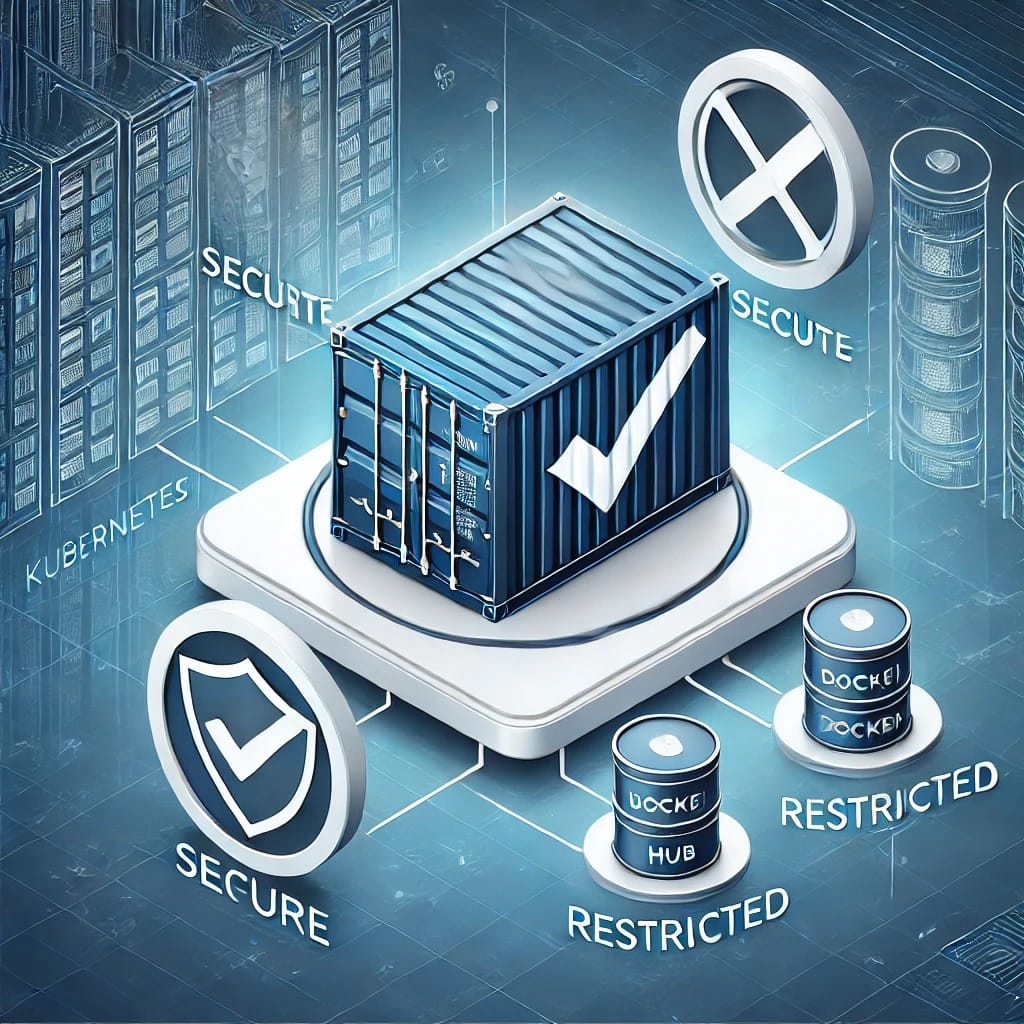
A common security requirement is to limit container images to trusted registries. The example below demonstrates a policy that only permits images from Docker Hub.

apiVersion: kyverno.io/v1
kind: ClusterPolicy
metadata:
  name: restrict-dockerhub-images
spec:
  rules:
    - name: only-dockerhub-images
      match:
        resources:
          kinds:
            - Pod
      validate:
        message: "Only Docker Hub images are allowed."
        pattern:
          spec:
            containers:
              - image: "docker.io/*"

This policy targets all Pod resources in the cluster and enforces a validation rule that restricts the image source to docker.io. If a Pod uses an image outside Docker Hub, Kyverno denies its deployment, reinforcing secure sourcing practices.

Practical Use-Cases for Kyverno Policies

Kyverno policies can handle a variety of Kubernetes management tasks through validation, mutation, and generation. Let’s explore examples for each type to illustrate Kyverno’s versatility:

1. Validation Policies

Validation policies in Kyverno ensure that resources comply with specific configurations or security standards, stopping any non-compliant resources from deploying.

Use-Case: Enforcing Resource Limits for Containers

This example prevents deployments that lack resource limits, ensuring all Pods specify CPU and memory constraints.

apiVersion: kyverno.io/v1
kind: ClusterPolicy
metadata:
  name: enforce-resource-limits
spec:
  rules:
    - name: require-resource-limits
      match:
        resources:
          kinds:
            - Pod
      validate:
        message: "Resource limits (CPU and memory) are required for all containers."
        pattern:
          spec:
            containers:
              - resources:
                  limits:
                    cpu: "?*"
                    memory: "?*"

By enforcing resource limits, this policy helps prevent resource contention in the cluster, fostering stable and predictable performance.

2. Mutation Policies

Mutation policies allow Kyverno to automatically adjust configurations in resources to meet compliance requirements. This approach is beneficial for consistent configurations without manual intervention.

Use-Case: Adding Default Labels to Pods

This policy adds a default label, environment: production, to all new Pods that lack this label, ensuring that resources align with organization-wide labeling standards.

apiVersion: kyverno.io/v1
kind: ClusterPolicy
metadata:
  name: add-default-label
spec:
  rules:
    - name: add-environment-label
      match:
        resources:
          kinds:
            - Pod
      mutate:
        patchStrategicMerge:
          metadata:
            labels:
              environment: "production"

This mutation policy is an example of how Kyverno can standardize resource configurations at scale by dynamically adding missing information, reducing human error and ensuring labeling consistency.

3. Generation Policies

Generation policies in Kyverno are used to create or update related resources, enhancing Kubernetes automation by responding to specific configurations or needs in real-time.

Use-Case: Automatically Creating a ConfigMap for Each New Namespace

This example policy generates a ConfigMap in every new namespace, setting default configuration values for all resources in that namespace.

apiVersion: kyverno.io/v1
kind: ClusterPolicy
metadata:
  name: generate-configmap
spec:
  rules:
    - name: add-default-configmap
      match:
        resources:
          kinds:
            - Namespace
      generate:
        kind: ConfigMap
        name: default-config
        namespace: "{{request.object.metadata.name}}"
        data:
          default-key: "default-value"

This generation policy is triggered whenever a new namespace is created, automatically provisioning a ConfigMap with default settings. This approach is especially useful in multi-tenant environments, ensuring new namespaces have essential configurations in place.

Conclusion

Extending Kyverno policies enables Kubernetes administrators to establish and enforce tailored security and operational practices within their clusters. By leveraging Kyverno’s capabilities in validation, mutation, and generation, you can automate compliance, streamline operations, and reinforce security standards seamlessly.

📚 Want to dive deeper into Kubernetes? This article is part of our comprehensive Kubernetes Architecture Patterns guide, where you’ll find all fundamental and advanced concepts explained step by step.

Kubernetes Pod Security Admission Explained: Enforcing PSA Policies the Right Way

Kubernetes Pod Security Admission Explained: Enforcing PSA Policies the Right Way

In Kubernetes, security is a key concern, especially as containers and microservices grow in complexity. One of the essential features of Kubernetes for policy enforcement is Pod Security Admission (PSA), which replaces the deprecated Pod Security Policies (PSP). PSA provides a more straightforward and flexible approach to enforce security policies, helping administrators safeguard clusters by ensuring that only compliant pods are allowed to run.

This article will guide you through PSA, the available Pod Security Standards, how to configure them, and how to apply security policies to specific namespaces using labels.

What is Pod Security Admission (PSA)?

PSA is a built-in admission controller introduced in Kubernetes 1.23 to replace Pod Security Policies (PSPs). PSPs had a steep learning curve and could become cumbersome when scaling security policies across various environments. PSA simplifies this process by applying Kubernetes Pod Security Standards based on predefined security levels without needing custom logic for each policy.

With PSA, cluster administrators can restrict the permissions of pods by using labels that correspond to specific Pod Security Standards. PSA operates at the namespace level, enabling better granularity in controlling security policies for different workloads.

Pod Security Standards

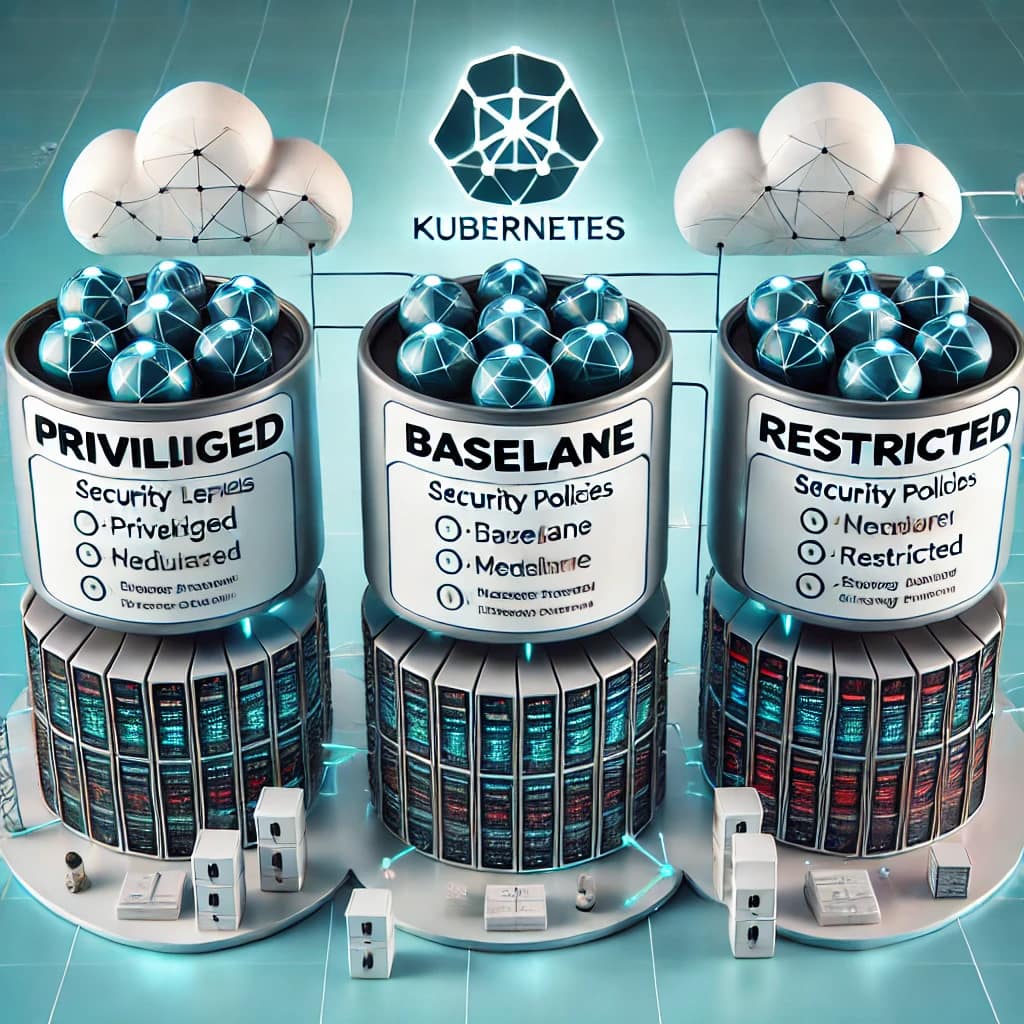
Kubernetes provides three key Pod Security Standards in the PSA framework:

  • Privileged: No restrictions; permits all features and is the least restrictive mode. This is not recommended for production workloads but can be used in controlled environments or for workloads requiring elevated permissions.
  • Baseline: Provides a good balance between usability and security, restricting the most dangerous aspects of pod privileges while allowing common configurations. It is suitable for most applications that don’t need special permissions.
  • Restricted: The most stringent level of security. This level is intended for workloads that require the highest level of isolation and control, such as multi-tenant clusters or workloads exposed to the internet.

Each standard includes specific rules to limit pod privileges, such as disallowing privileged containers, restricting access to the host network, and preventing changes to certain security contexts.

Setting Up Pod Security Admission (PSA)

To enable PSA, you need to label your namespaces based on the security level you want to enforce. The label format is as follows:

kubectl label --overwrite ns  pod-security.kubernetes.io/enforce=<value>

For example, to enforce a restricted security policy on the production namespace, you would run:

kubectl label --overwrite ns production pod-security.kubernetes.io/enforce=restricted

In this example, Kubernetes will automatically apply the rules associated with the restricted policy to all pods deployed in the production namespace.

Additional PSA Modes

PSA also provides additional modes for greater control:

  • Audit: Logs a policy violation but allows the pod to be created.
  • Warn: Issues a warning but permits the pod creation.
  • Enforce: Blocks pod creation if it violates the policy.

To configure these modes, use the following labels:

kubectl label --overwrite ns      pod-security.kubernetes.io/enforce=baseline     pod-security.kubernetes.io/audit=restricted     pod-security.kubernetes.io/warn=baseline

This setup enforces the baseline standard while issuing warnings and logging violations for restricted-level rules.

Example: Configuring Pod Security in a Namespace

Let’s walk through an example of configuring baseline security for the dev namespace. First, you need to apply the PSA labels:

kubectl create namespace dev
kubectl label --overwrite ns dev pod-security.kubernetes.io/enforce=baseline

Now, any pod deployed in the dev namespace will be checked against the baseline security standard. If a pod violates the baseline policy (for instance, by attempting to run a privileged container), it will be blocked from starting.

You can also combine warn and audit modes to track violations without blocking pods:

kubectl label --overwrite ns dev     pod-security.kubernetes.io/enforce=baseline     pod-security.kubernetes.io/warn=restricted     pod-security.kubernetes.io/audit=privileged

In this case, PSA will allow pods to run if they meet the baseline policy, but it will issue warnings for restricted-level violations and log any privileged-level violations.

Applying Policies by Default

One of the strengths of PSA is its simplicity in applying policies at the namespace level, but administrators might wonder if there’s a way to apply a default policy across new namespaces automatically. As of now, Kubernetes does not natively provide an option to apply PSA policies globally by default. However, you can use admission webhooks or automation tools such as OPA Gatekeeper or Kyverno to enforce default policies for new namespaces.

Conclusion

Pod Security Admission (PSA) simplifies policy enforcement in Kubernetes clusters, making it easier to ensure compliance with security standards across different environments. By configuring Pod Security Standards at the namespace level and using labels, administrators can control the security level of workloads with ease. The flexibility of PSA allows for efficient security management without the complexity associated with the older Pod Security Policies (PSPs).

For more details on configuring PSA and Pod Security Standards, check the official Kubernetes PSA documentation and Pod Security Standards documentation.

📚 Want to dive deeper into Kubernetes? This article is part of our comprehensive Kubernetes Architecture Patterns guide, where you’ll find all fundamental and advanced concepts explained step by step.