

GraalVM: How to Improve Performance for Microservices in 2022?

GraalVM: How to Improve Performance for Microservices in 2022?

GraalVM provides the capabilities to make Java a first-class language to create microservices at the same level as Go-Lang, Rust, NodeJS, and others.

GraalVM: Making JVM Languages Performant for Microservices
Photo by Caspar Camille Rubin on Unsplash

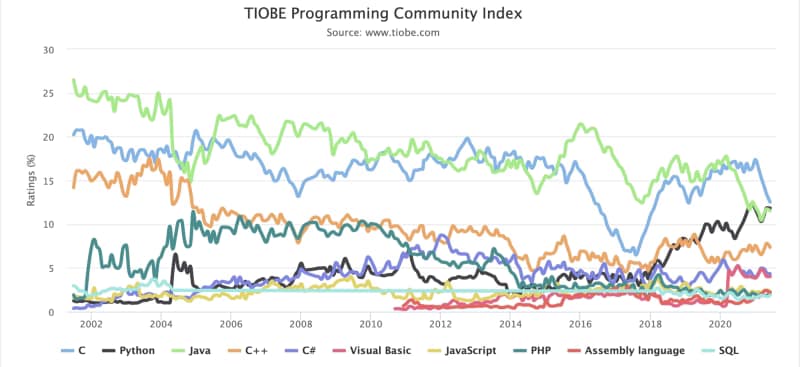
Java language has been the language leader for generations. Pretty much every piece of software has been created with Java: Web Servers, Messaging System, Enterprise Application, Development Frameworks, and so on. This predominance has been shown in the most important indexes like the TIOBE index, as is shown below:
GraalVM: How to Improve Performance for Microservices in 2022?
TIOBE index image from https://www.tiobe.com/tiobe-index/

But always, Java has some trade-offs that you need to make. The promise of the portability code is because the JVM allows us to run the same code in different OS and ecosystems. Still, at the same time, the interpreter approach will also provide a little bit of overhead compared with other compiled options like C.

That overhead was never a problem until we go inside the microservices route. When we have a server-based approach with an overhead of 100–200 MB, it is not a big problem compared with all the benefits it provides. Still, if we transform that server into, for example, hundreds of services, and each of them has a 50 MB overhead, this starts to become something to worry about.

Another trade-off was start-up time, again the abstraction layer provides a slower start-up time, but in client-service architecture, that was not an important issue if we need few more seconds to start serving requests. Still, today in the scalability era, this becomes critical if we talk about second-based startup time compared with milliseconds-based startup time because this provides better scalability and more optimized infrastructure usage.

So, how to provide all the benefits from Java and provide a solution for these trade-offs that were now starting to be an issue? And GraalVM becomes to be the answer to all of this.

GraalVM is based on its own words: “a high-performance JDK distribution designed to accelerate the execution of applications written in Java and other JVM languages,” which provides an Ahead-of-Time Compilation process to generate binary process from Java code that removes the traditional overhead from the JVM running process.

Regarding its use in microservices, this is a specific focus that they have given, and the promise of around 50x faster startup and 5x less memory footprint is just amazing. And this is why GraalVM becomes the foundation for high-level microservice development frameworks in Java-like Quarkus from RedHat, Micronaut, or even the Spring-Boot version powered by GraalVM.

So, probably you are just asking: How can I start using this? The first thing that we need to do is to go to the GitHub release page of the project and find the version for our OS and follow the instructions provided here:

[visual-link-preview encoded=”eyJ0eXBlIjoiZXh0ZXJuYWwiLCJwb3N0IjowLCJwb3N0X2xhYmVsIjoiIiwidXJsIjoiaHR0cHM6Ly93d3cuZ3JhYWx2bS5vcmcvMjIuMC9kb2NzL2dldHRpbmctc3RhcnRlZC8iLCJpbWFnZV9pZCI6LTEsImltYWdlX3VybCI6Imh0dHBzOi8vd3d3LmdyYWFsdm0ub3JnL3Jlc291cmNlcy9pbWcvZ3JhYWx2bS5wbmciLCJ0aXRsZSI6IkdyYWFsVk0iLCJzdW1tYXJ5IjoiR3JhYWxWTSBpcyBhIGhpZ2gtcGVyZm9ybWFuY2UgSkRLIGRpc3RyaWJ1dGlvbiBkZXNpZ25lZCB0byBhY2NlbGVyYXRlIHRoZSBleGVjdXRpb24gb2YgYXBwbGljYXRpb25zIHdyaXR0ZW4gaW4gSmF2YSBhbmQgb3RoZXIgSlZNIGxhbmd1YWdlcyBhbG9uZyB3aXRoIHN1cHBvci4uLiIsInRlbXBsYXRlIjoidXNlX2RlZmF1bHRfZnJvbV9zZXR0aW5ncyJ9″]

[visual-link-preview encoded=”eyJ0eXBlIjoiZXh0ZXJuYWwiLCJwb3N0IjowLCJwb3N0X2xhYmVsIjoiIiwidXJsIjoiaHR0cHM6Ly9naXRodWIuY29tL2dyYWFsdm0vZ3JhYWx2bS1jZS1idWlsZHMvcmVsZWFzZXMiLCJpbWFnZV9pZCI6LTEsImltYWdlX3VybCI6Imh0dHBzOi8vb3BlbmdyYXBoLmdpdGh1YmFzc2V0cy5jb20vODcwODk4ODY0MTRlMzkyZTFmN2RkZjU0OGY4ZjQ1OGZhNzZiZTgxYTNiOTk1ZjNkMmI0OWNkY2MzMTY1ZGY3MS9ncmFhbHZtL2dyYWFsdm0tY2UtYnVpbGRzIiwidGl0bGUiOiJSZWxlYXNlcyDCtyBncmFhbHZtL2dyYWFsdm0tY2UtYnVpbGRzIiwic3VtbWFyeSI6IkdyYWFsVk0gQ0UgYmluYWlyZXMgYnVpbHQgYnkgdGhlIEdyYWFsVk0gY29tbXVuaXR5IC0gZ3JhYWx2bS9ncmFhbHZtLWNlLWJ1aWxkcyIsInRlbXBsYXRlIjoidXNlX2RlZmF1bHRfZnJvbV9zZXR0aW5ncyJ9″]

When we have this installed, this is the moment to start testing it, and what better of doing so than creating a REST/JSON service and comparing it with a traditional OpenJDK 11-powered solution?

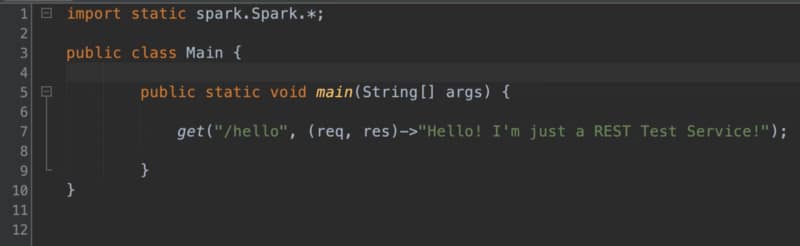
To create this REST service as simple as possible to focus on the difference between both modes, I will use the Spark Java Framework which is a minimal framework to create REST Services.

I will share all the code in this GitHub repository, so if you would like to take a look, clone it from here:

[visual-link-preview encoded=”eyJ0eXBlIjoiZXh0ZXJuYWwiLCJwb3N0IjowLCJwb3N0X2xhYmVsIjoiIiwidXJsIjoiaHR0cHM6Ly9naXRodWIuY29tL2FsZXhhbmRyZXYvZ3JhYWx2bS1zYW1wbGUtcmVzdC1zZXJ2aWNlIiwiaW1hZ2VfaWQiOi0xLCJpbWFnZV91cmwiOiJodHRwczovL29wZW5ncmFwaC5naXRodWJhc3NldHMuY29tL2VkMTgwMTAwMzBhNTU5NGYyZDIxYTFiYWRkMThmNmZiZjYxMjA5YTZkMTVhZGFmMzBiYzVjOWRiNjQxMDc0ZjcvYWxleGFuZHJldi9ncmFhbHZtLXNhbXBsZS1yZXN0LXNlcnZpY2UiLCJ0aXRsZSI6IkdpdEh1YiAtIGFsZXhhbmRyZXYvZ3JhYWx2bS1zYW1wbGUtcmVzdC1zZXJ2aWNlOiBTYW1wbGUgUkVTVCBTZXJ2aWNlIFVzaW5nIEdyYWFsVk0iLCJzdW1tYXJ5IjoiU2FtcGxlIFJFU1QgU2VydmljZSBVc2luZyBHcmFhbFZNIC4gQ29udHJpYnV0ZSB0byBhbGV4YW5kcmV2L2dyYWFsdm0tc2FtcGxlLXJlc3Qtc2VydmljZSBkZXZlbG9wbWVudCBieSBjcmVhdGluZyBhbiBhY2NvdW50IG9uIEdpdEh1Yi4iLCJ0ZW1wbGF0ZSI6InVzZV9kZWZhdWx0X2Zyb21fc2V0dGluZ3MifQ==”]

The code that we are going to use looks very simple, just a single line to create a REST service:
GraalVM: How to Improve Performance for Microservices in 2022?

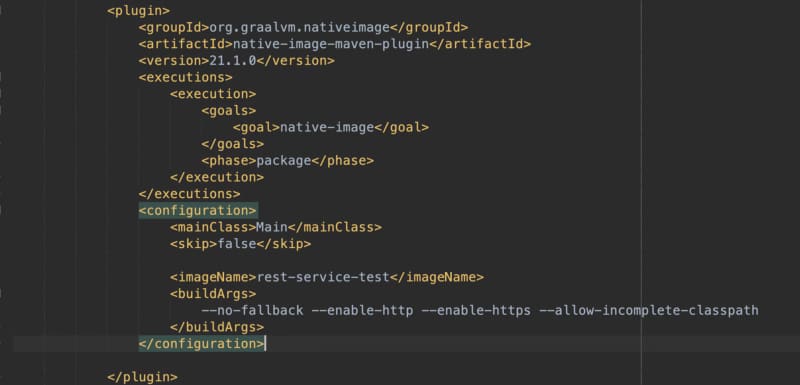
Then, we will use a GraalVM maven plugin for all the compilation processes. You can check all the options here:
[visual-link-preview encoded=”eyJ0eXBlIjoiZXh0ZXJuYWwiLCJwb3N0IjowLCJwb3N0X2xhYmVsIjoiIiwidXJsIjoiaHR0cHM6Ly93d3cuZ3JhYWx2bS5vcmcvMjIuMC9yZWZlcmVuY2UtbWFudWFsL25hdGl2ZS1pbWFnZS9OYXRpdmVNYXZlblBsdWdpbi8iLCJpbWFnZV9pZCI6LTEsImltYWdlX3VybCI6Imh0dHBzOi8vd3d3LmdyYWFsdm0ub3JnL3Jlc291cmNlcy9pbWcvZ3JhYWx2bS5wbmciLCJ0aXRsZSI6IkdyYWFsVk0iLCJzdW1tYXJ5IjoiR3JhYWxWTSBpcyBhIGhpZ2gtcGVyZm9ybWFuY2UgSkRLIGRpc3RyaWJ1dGlvbiBkZXNpZ25lZCB0byBhY2NlbGVyYXRlIHRoZSBleGVjdXRpb24gb2YgYXBwbGljYXRpb25zIHdyaXR0ZW4gaW4gSmF2YSBhbmQgb3RoZXIgSlZNIGxhbmd1YWdlcyBhbG9uZyB3aXRoIHN1cHBvci4uLiIsInRlbXBsYXRlIjoidXNlX2RlZmF1bHRfZnJvbV9zZXR0aW5ncyJ9″]

GraalVM: How to Improve Performance for Microservices in 2022?

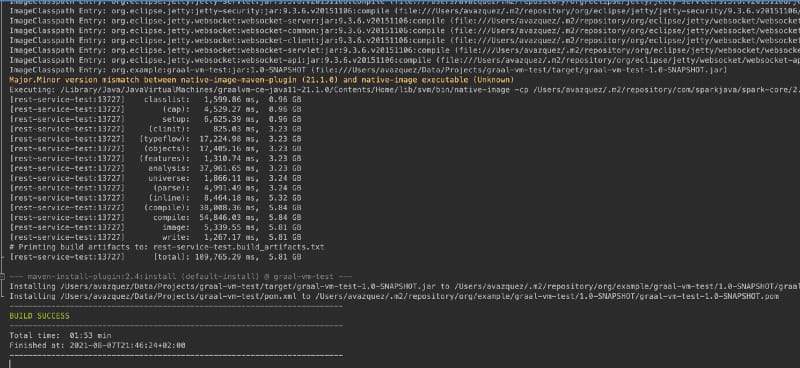
The compilation process takes a while (around 1–2 min). Still, you need to understand that this compiles everything to a binary process because the only output you will get out of this is a single binary process (named in my case rest-service-test) that will have all the things you need to run your application.
GraalVM: How to Improve Performance for Microservices in 2022?

And finally, we will have a single binary that is everything that we need to run our application:
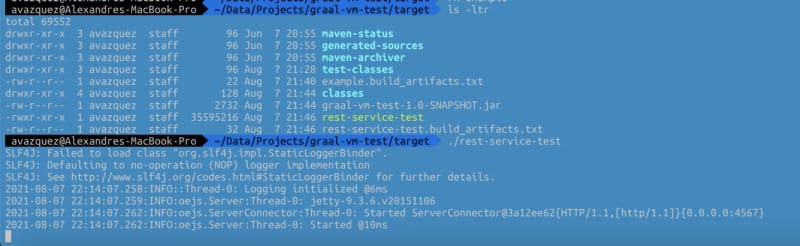
GraalVM: How to Improve Performance for Microservices in 2022?

This binary is an exceptional one because it does not require any JVM on your local machine, and it can start in a few milliseconds. And the total size of the binary is 32M on disk and less than 5MB of RAM.

GraalVM: How to Improve Performance for Microservices in 2022?

The output of this first tiny application is straightforward, as you saw, but I think you can get the point. But let’s see it in action I will launch a small load test with my computer with 16 threads launching requests to this endpoint:
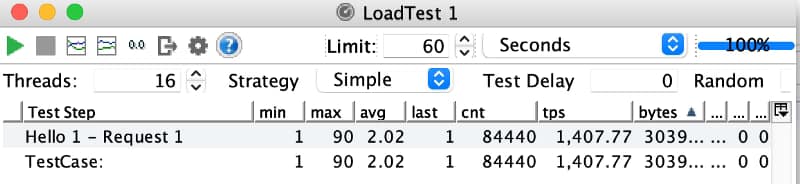
GraalVM: How to Improve Performance for Microservices in 2022?

As you can see, this is just incredible, even with the lack of latency as this is just triggered by the same machine we are reaching with a single service a rate of TPS in 1 minute of more than 1400 requests/sec with a response time of 2ms for each of those.

And how does that compare with a normal JAR-based application with the same code exactly? For example, you can see in the table below:
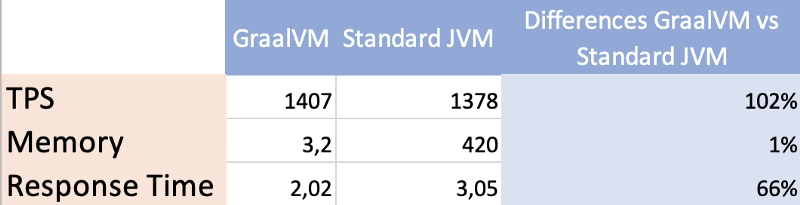
GraalVM: How to Improve Performance for Microservices in 2022?

In a nutshell, we have seen how using tools such as GraalVM we can make our JVM-based programs ready for our microservices environment avoiding the normal issues regarding high-memory footprint or small startup time that are critical when we are adopting a full cloud-native strategy in our companies or projects.

But, the truth must be told. This is not always as simple as we showed on this sample because depending on the libraries you are using, generating the native image can be much more complex and require a lot of configuration or just be impossible. So it is not everything already done but the future looks bright and full of hope.
Apache NetBeans Is Still My Preferred Option for Java Development

Apache NetBeans Is Still My Preferred Option for Java Development

Discover what are the reasons why to me, Apache NetBeans is still the best Java IDE you can use

Apache NetBeans Is Still My Preferred Option for Java Development
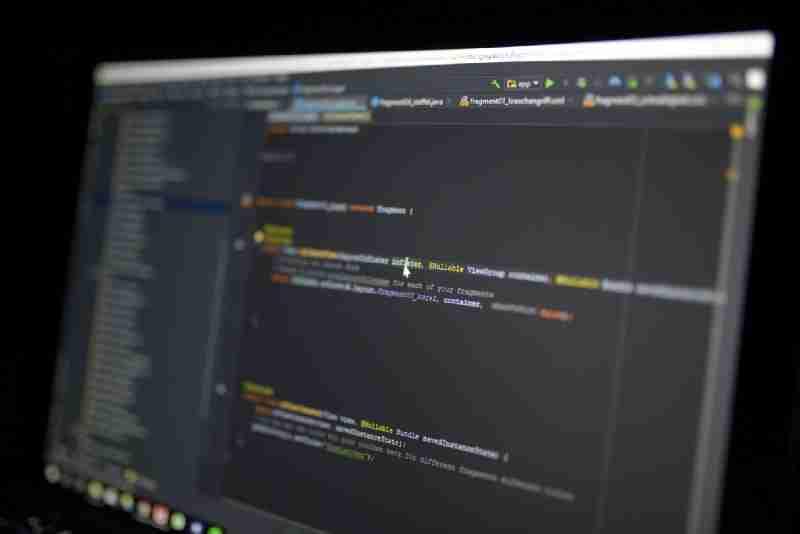
Photo by Maximilian Weisbecker on Unsplash

Let me start from the beginning. I always have been a Java Developer since my time at University. Even that I first learned another less-known programming (Modula-2), I quickly jump to Java to do all the different assignments and pretty much every task on my journey as a student and later as a software engineer.

I was always looking for the best IDE that I could find to speed up my programming tasks. The main choice was Eclipse at the university, but I have never been an Eclipse fan, and that has become a problem.

If you are in the Enterprise Software industry, you have noticed that pretty much every Developer-based tool is based on Eclipse because its licensing and its community behind make the best option. But I never thought that Eclipse was a great IDE, and it was too flexible but at the same time too complex.

So at that time is when I discover NetBeans. I think the first version I tried was in branch 3.x, and Sun Microsystem developed it at that time. It was quite much better than Eclipse. Indeed, the number of plugins available was not comparable with Eclipse, but the things that it did, it did it awesomely.

To me, if I need to declare why at that time Netbeans was better than Eclipse, probably the main things will be these:

  • Simplicity in the Run Configuration: Still, I think most Java IDE makes things too complex just to run the code. NetBeans simple Run without needed to create a Run Configuration and configure it (you can do it, but you are not mandated to do so)
  • Better Look & Feel: This is more based on a personal preference, but I prefer the default configuration from NetBeans compared with Eclipse.

So because of that, Netbeans become my default app to do my Java Programming, but Oracle came, and things change a little. With the acquisition of Sun Microsystems from Oracle, NetBeans was stalled like many other Open source projects. For years no many updates and progress.

It is not that they deprecated the product, but Oracle had a different IDE at the time JDeveloper, which was the main choice. This is easy to understand. I continued loyal to NetBeans even that we had another big guy in the competition: IntelliJ IDEA.

This is the fancy option, the one most developers used today for Java programming, and I can understand why. I’ve tried several times in my idea to try to feel the same feelings that others did, and I could read the different articles, and I acknowledge some of the advantages of the solution:

  • Better performance: It is clear that the response time from the IDE is better with IntelliJ IDEA than NetBeans because it doesn’t come from an almost 20-years journey, and it could start from scratch and use modern approaches for the GUI.
  • Fewer Memory Resources: Let’s be honest: All IDE consumes tons of memory. No one does great here (unless you are talking about text editors with Java compiler; that is a different story). NetBeans indeed requires more resources to run properly.

So, I did the switch and started using the solution from JetBrains, but it never stuck with me, because to me is still too complex. A lot of fancy things, but less focus on the ones that I need. Or, just because I was too used to how NetBeans do things, I could not do the mental switch that is required to adopt a new tool.

And then… when everything seems lost, something awesome happens: Netbeans was donated to the Apache Foundation and became Apache NetBeans. It seems like a new life for the tool providing simple things like Dark Mode and keeping the solution up-to-date to the progress in Java Development.

So, today, Apache NetBeans is still my preferred IDE, and I couldn’t voucher more for the usage of this awesome tool. And these are the main points I would like to raise here:

  • Better Maven Management: To me, the way and the simplicity you can manage your Maven project with NetBeans is out of this league. It is simple and focuses on performance, adding a new dependency without go to the pom.xml file, updating dependencies on the fly.
  • Run Configuration: Again, this still is a differentiator. When I’m coding something fast because of a new kind of utility, I don’t like to waste time creating run configuration or adding a maven exec plugin to my pom.xml to run the software I just coded. Instead, I need to click Run, a green button, and let the magic begins.
  • There is no need for everything else: Things evolve too fast in the Java programming world, but even today, I never feel that I was missing some capability or something in my NetBeans IDE that I could get if I move to a more modern alternative. So, no trade-offs here at this level.

So, I am aware that probably my choice is because I have a biased view of this situation. After all, this has been my main solution for more than a decade now, and I’m just used to it. But I consider myself an open person, and if I saw a clear difference, I wouldn’t have second thoughts of ditching NetBeans as I did with many other solutions in the past (Evernote, OneNote, Apple Mail, Gmail, KDE Basket, Things, Wunderstling.. )

So, if you have some curiosity about seeing how Apache NetBeans has progressed, please take a look at the latest version and give it a try. Or, if you feel that you don’t connect with the current tool, give it a try again. Maybe you have the same biased view as I have!!!